
For many years, the sound of an engine defined what power looked like on Indian roads. A loud exhaust and a deep engine note, or the roar of a high-performance bike often symbolised strength and dominance. Today, however, that definition is gradually changing. In 2026, success on the road is no longer measured by how loud a machine sounds. Increasingly, it is defined by intelligence, efficiency, and technology.
Electric mobility is playing a central role in reshaping this perception. Modern vehicles communicate performance differently. As India’s EV ecosystem continues to expand, quiet efficiency is emerging as a powerful signal of modern mobility. This trend suggests that consumers are no longer viewing electric mobility as an experimental alternative. Instead, it is becoming a mainstream, forward-looking choice.
Why Is India Moving from “Engine Sound” to Smart Mobility?
For decades, the perception of power was closely connected to mechanical sound. A louder engine often created the impression of greater performance. Yet India’s rapidly evolving urban environment has changed those priorities. Rising fuel costs and dense traffic conditions also growing environmental awareness are encouraging riders to rethink what truly matters in daily mobility.
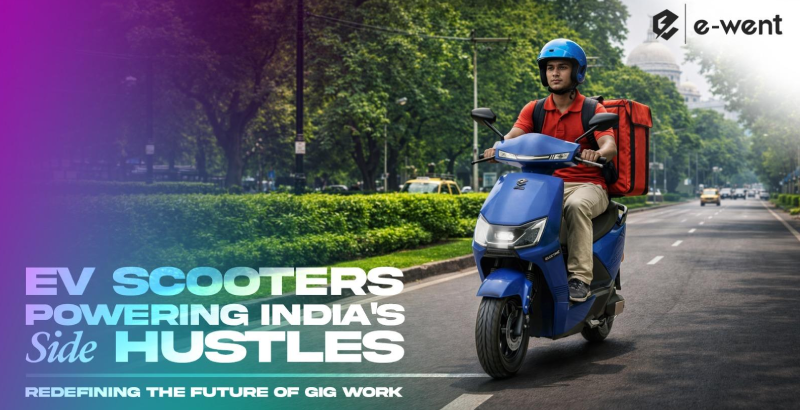
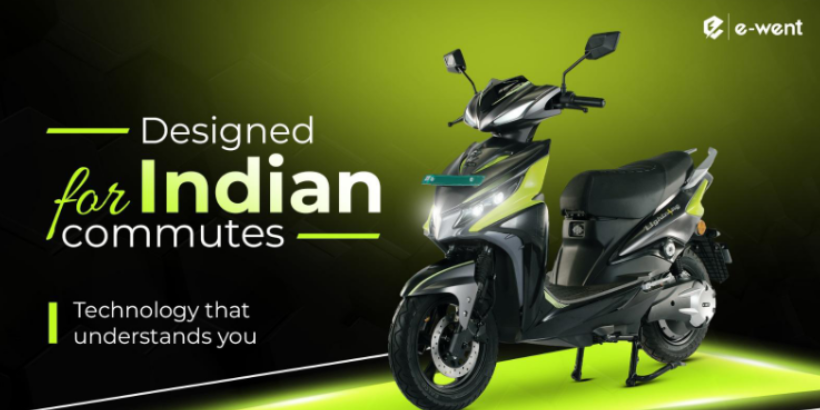
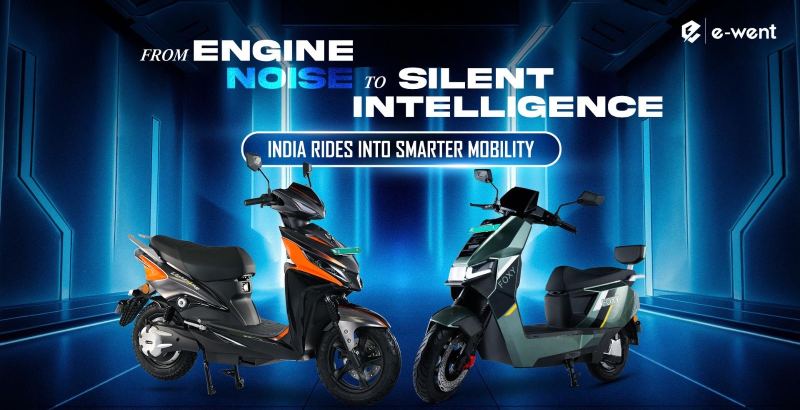
Electric scooters by E-Went reflect this shift clearly. They offer a refined riding experience supported by modern technology instead of mechanical noise. Features like digital dashboards and intelligent battery management systems also connected vehicle interfaces showcase engineering sophistication in quieter ways. For commuters navigating crowded cities, these practical benefits are increasingly shaping purchasing decisions.
What Does Smart Mobility Represent in 2026?
The idea of smart mobility goes beyond simply replacing petrol engines with electric motors. It reflects a new approach to transportation where technology and efficiency work together to improve everyday commuting.
Several characteristics define this evolving mobility mindset:
- Technology-driven design: Digital dashboards and app connectivity also intelligent diagnostics make vehicles easier to manage and monitor.
- Efficiency-focused performance: Energy-efficient motors and regenerative braking systems maximise every unit of power.
- Quiet yet responsive acceleration: Electric powertrains deliver smooth performance without unnecessary mechanical noise.
- Urban adaptability: Compact electric scooters are easier to manoeuvre in crowded city streets.
- Environmental responsibility: Zero tailpipe emissions contribute to cleaner urban air.
How Consumer Mindsets Are Redefining Mobility Status
India’s urban consumers increasingly associate progress with innovation and sustainability. Vehicles are no longer seen purely as machines for transportation! They have become reflections of personal values and lifestyle choices.
Government policies supporting electrification and expanding charging infrastructure. It is also rising the awareness about climate impact are reinforcing this transformation. Electric scooters are therefore gaining recognition not only as economical options but also as symbols of forward-thinking mobility.
In many ways, choosing an electric vehicle now signals an understanding of future trends. It is a decision that balances technology, efficiency, and responsibility.
Conclusion
India’s mobility culture is experiencing a subtle but meaningful transformation. The traditional connection between noise and power is gradually being replaced by a more refined understanding of performance.
In 2026, success on the road is increasingly represented by vehicles that combine efficiency, innovation, and intelligent design. Electric scooters demonstrate that strong performance does not require loud mechanical expression.
As adoption continues to grow, E-Went’s smart mobility is steadily becoming India’s new status symbol — one defined not by sound, but by technology and thoughtful choices.
For many years, the sound of an engine defined what power looked like on Indian roads. A loud exhaust and a deep engine note, or the roar of a high-performance bike often symbolised strength and dominance. Today, however, that definition is gradually changing. In 2026, success on the road is no longer measured by how loud a machine sounds. Increasingly, it is defined by intelligence, efficiency, and technology.
Electric mobility is playing a central role in reshaping this perception. Modern vehicles communicate performance differently. As India's EV ecosystem continues to expand, quiet efficiency is emerging as a powerful signal of modern mobility. This trend suggests that consumers are no longer viewing electric mobility as an experimental alternative. Instead, it is becoming a mainstream, forward-looking choice.