




Electric mobility in India has clearly moved beyond the experimentation phase. Electric scooters will no longer be purchased simply to experience EV technology by the end of this year. But they are being chosen as practical solutions for everyday travel. Riders judge an EV brand not by its lab-tested numbers. They judge by how well the scooter supports daily movement through traffic and on uneven roads with unpredictable schedules.
This is why building an EV brand around real Indian commutes is key, rather than technology alone. It has become increasingly important—a philosophy that closely aligns with how E-Went approaches electric mobility.
Daily Indian Commutes Demand Practical Solutions
Urban commuting in India is rarely straightforward. Daily rides involve frequent stops and variable road conditions. Performance is defined by consistency and control in these conditions.
Riders value scooters that feel stable in traffic and durable over repeated use also comfortable across varied routes. Designing for these realities means moving beyond ideal test scenarios and recognising that everyday commuting places very different demands on a vehicle.
Understanding How People Actually Use Scooters
One of the most important inputs in EV design is rider behaviour. Indian commuters do not use scooters in isolated, predictable patterns. A single trip may include a workplace visit, a market stop and a family errand—all within a few kilometres.
These habits shape real expectations:
- Manageable speeds rather than aggressive acceleration
- Practical range that supports daily routines
- Ergonomics that remain comfortable over frequent rides
Brands that observe how people actually move are better positioned to build scooters that feel intuitive and dependable, rather than over-engineered.
Features That Solve Daily Problems, Not Lab Scenarios
Technology becomes valuable only when it improves everyday experience. A commuter-first approach prioritises features that reduce friction. Rather than overwhelming riders with unnecessary additions, this approach focuses on usability
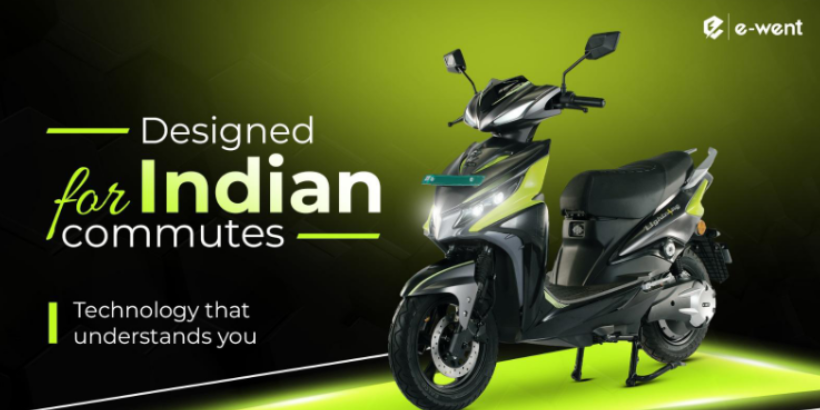
- Intuitive digital displays provide essential riding information at a glance. It reduces distraction during dense traffic conditions.
- Easy manoeuvrability and reverse assist features that help riders navigate tight parking spaces and crowded urban streets with confidence.
- For uneven road surfaces and frequent stop-and-go riding stable handling and predictable braking systems are designed.
- Practical lighting and visibility features that improve safety during early morning and late-evening commutes.
- Everyday convenience features, such as USB charging and simple security functions, that support real commuting needs rather than aesthetic appeal.
How Real Behaviour Shapes Brand Philosophy
An EV brand grounded in everyday reality pays close attention to how its products are used. Typical trip distances and peak riding hours with the service expectations influence design and refinement decisions.
Real rider behaviour informs product development more than theoretical capabilities at E-Went. This reflects a broader understanding that technology should adapt to people but not the other way around. Brands create products that remain relevant beyond initial adoption when brands listen carefully.
Mobility Built Around People, Not Promises
In India, electric scooters are tools of daily life but not technology showcases. Building an EV brand around real Indian commutes requires empathy and observation also restraint designing for how people actually travel.
As the market continues to mature, the brands that stand out will be those that prioritise practical mobility, grounded design and everyday reliability. Ultimately, the future of EVs in India will be shaped not by the most advanced technology, but by the most useful one.