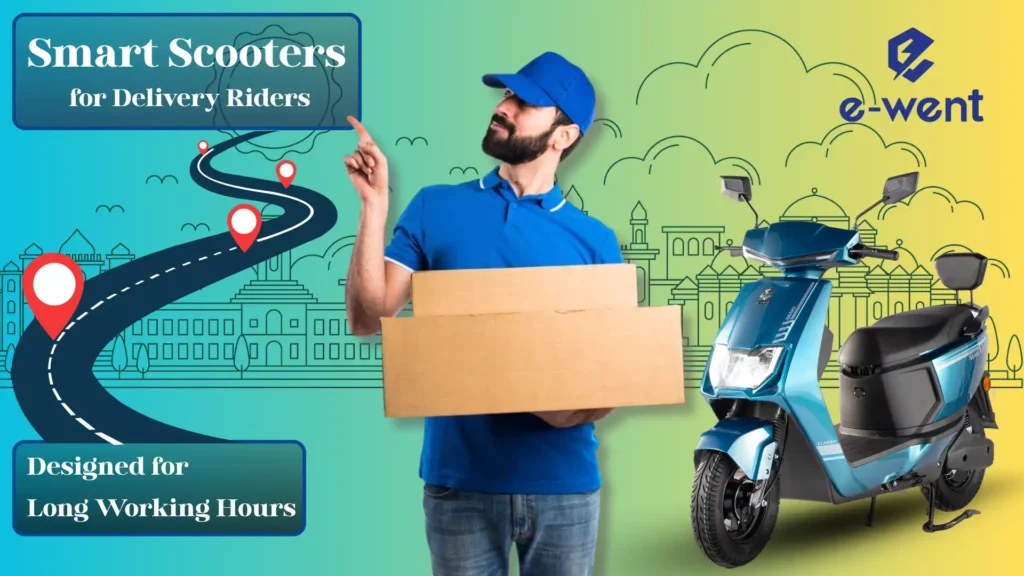
India’s delivery ecosystem has evolved rapidly over the past few years. With the steady rise of e-commerce platforms, food delivery services and hyperlocal businesses, last-mile logistics now plays a crucial role in how cities function. Riders and businesses alike are rethinking their choice of vehicles as delivery volumes grow and timelines become tighter. This is where the electric scooter for delivery jobs has gained strong relevance.
Electric scooters offer a compelling combination of low running costs and easy handling in congested streets. It also significantly reduced maintenance requirements.
This article explains how to choose an electric scooter for delivery purposes, highlighting the essential features.
Why Electric Scooters Are Ideal for Delivery Operations
Electric scooters naturally align with the efficiency and reliability required for modern delivery work.
- Lower running and maintenance costs – Electricity is far more economical than petrol and fewer mechanical components translate into reduced servicing needs.
- Easy navigation in dense urban traffic – Compact dimensions and easy maneuverability help riders move quickly through crowded streets and narrow lanes.
- Environment-friendly operations – Zero tailpipe emissions and quieter operation support sustainability goals and compliance with evolving urban regulations.
Key Features To Look For In A Delivery Electric Scooter
Delivery usage is demanding and repetitive, making it essential to evaluate technical strength and rider comfort together.
-
Battery Range and Charging Time
Battery life and its performance determines how efficiently a delivery rider can complete daily routes. Delivery schedules often involve long hours and multiple trips. This is why long range electric scooters for full day delivery work are preferred. A scooter should realistically support a full shift without frequent recharging. Fast charging capability or removable and swappable batteries can significantly reduce downtime, especially during peak delivery hours.
-
Load-Carrying Capacity and Structural Strength
Delivery vehicles must consistently handle added weight from cargo boxes or customised storage units unlike personal scooters. Strong frames and reinforced rear carriers with balanced chassis design are essential to maintain stability under load. Ignoring weight capacity can affect braking efficiency, suspension life and overall control. A well-designed electric scooter for delivery job ensures that carrying packages does not compromise rider safety or handling, even during long delivery shifts across uneven urban roads.
-
Motor Power and Performance Under Load
When riding with cargo motor power plays a critical role. Adequate torque ensures smooth acceleration and stable cruising speeds. You will also have reliable performance on flyovers or inclined roads. Rather than focusing on top speed alone, delivery riders benefit from motors maintaining consistent output even when fully loaded. Controlled power delivery improves safety in traffic while reducing rider fatigue. Predictable performance is far more valuable than aggressive acceleration in busy city environments.
-
Comfort for Long Riding Hours
Delivery riders often spend several hours on the road, making comfort a non-negotiable factor. Proper seat cushioning and upright riding posture with effective suspension reduce physical strain over time. Poor ergonomics can lead to back pain, wrist fatigue and reduced focus. It also can ultimately affect delivery efficiency. Scooters designed for delivery prioritise rider comfort through better weight distribution and shock absorption. It supports consistent performance throughout long working days.
-
Durability and Build Quality
Delivery scooters operate in challenging conditions which includes rough roads and heavy usage with varying weather. Strong body panels and weather-resistant electrical systems with robust wheels contribute to long-term reliability. Many riders specifically look for waterproof electric scooters for all-weather delivery to handle monsoon conditions without interruptions. A durable build reduces repair frequency, minimises downtime and ensures the scooter remains dependable under daily commercial use.
-
Removable/Dual Batteries
For long delivery hours, removable or dual batteries are a game-changer. A removable battery lets you easily swap or charge it separately, keeping you on the move. Dual batteries provide extra range, reducing the need for frequent recharging. This ensures you can handle longer routes without worrying about running out of power mid-delivery, making your day more efficient.
-
Tyre
The right tyres are key for smooth deliveries. Larger, thicker tyres provide better stability and comfort, especially on rough roads. They offer more traction and absorb shocks, making the ride smoother even on uneven surfaces. Choosing tyres that suit the city’s terrain can help avoid flat tyres and improve overall safety while delivering.
Cost Considerations and Total Cost of Ownership
Rather than just the initial purchase price, delivery profitability depends on long-term costs.
- Purchase price and EMI flexibility – Financing options help riders and small businesses manage upfront investment more comfortably.
- Running cost per kilometre – Electricity costs are significantly lower than petrol, improving daily earnings.
- Maintenance and warranty coverage – Low maintenance requirements combined with strong warranty & after-sales service reduce unexpected expenses.
Common Mistakes to Avoid When Buying a Delivery Electric Scooter
Avoiding these errors helps maintain uptime and ensures better returns over time.
-
Choosing a Scooter with Insufficient Range
Underestimating daily travel distance leads to frequent charging interruptions and reduced delivery efficiency. Proper range assessment is essential.
-
Ignoring Load Capacity and Frame Strength
Using a scooter not designed for delivery loads accelerates wear and compromises safety and stability.
-
Overlooking After-Sales Service Support
Accessible service centres and spare parts availability are critical for riders who depend on daily scooter uptime.
Pro Tips – E-went the electric scooter brand provides the test ride options. You can avail this option to make the decision perfect.
Conclusion
Choosing the right electric scooter for a delivery job in 2025 requires a careful balance between performance and durability with cost efficiency. Electric scooters have proven to be a practical solution for last-mile logistics! It offers low operating costs and smooth city handling with reducing environmental impact. By focusing on battery range, charging convenience, load capacity, comfort and legal compliance, businesses can improve delivery speed while lowering operational expenses. The right electric scooter supports consistent performance, rider comfort and environmentally responsible logistics, making it a valuable asset in today’s delivery-driven economy.
FAQs
-
What is the ideal range for a delivery electric scooter?
A range that supports a full working shift without frequent charging interruptions is ideal.
-
Are removable batteries useful for delivery work?
Yes, they allow flexible charging and reduce downtime during busy delivery schedules.
-
Do delivery electric scooters need registration?
High-speed scooters used commercially must be registered and insured.
-
Is an electric scooter cost-effective for delivery jobs?
Yes, low running costs and minimal maintenance make electric scooters highly economical.