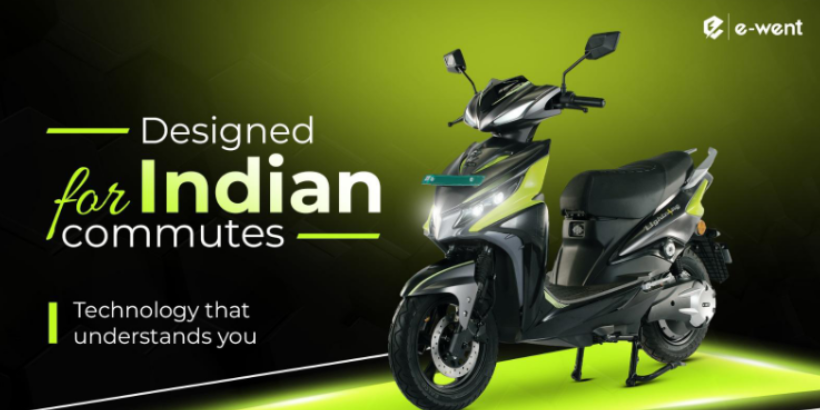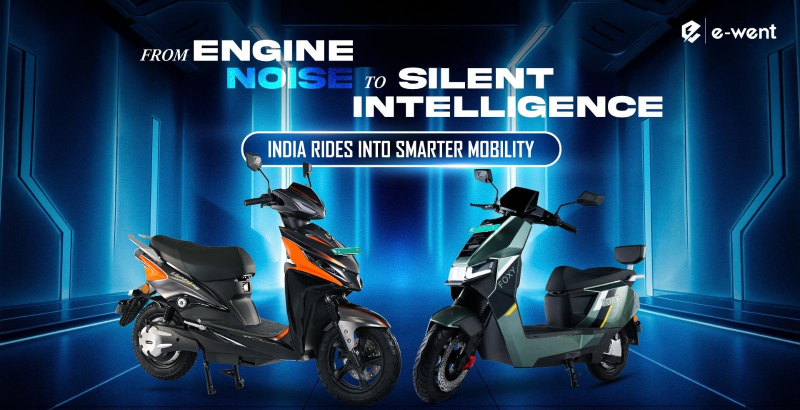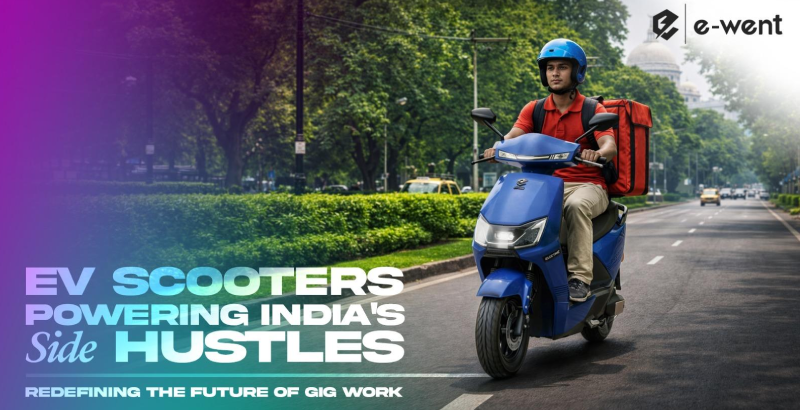

At E-Went, mobility is built on innovation, purpose, and smart engineering. As an electric scooter manufacturer, we design EVs that blend intelligent technology, safety, and durability.
More About Us
Start With
fordable Price
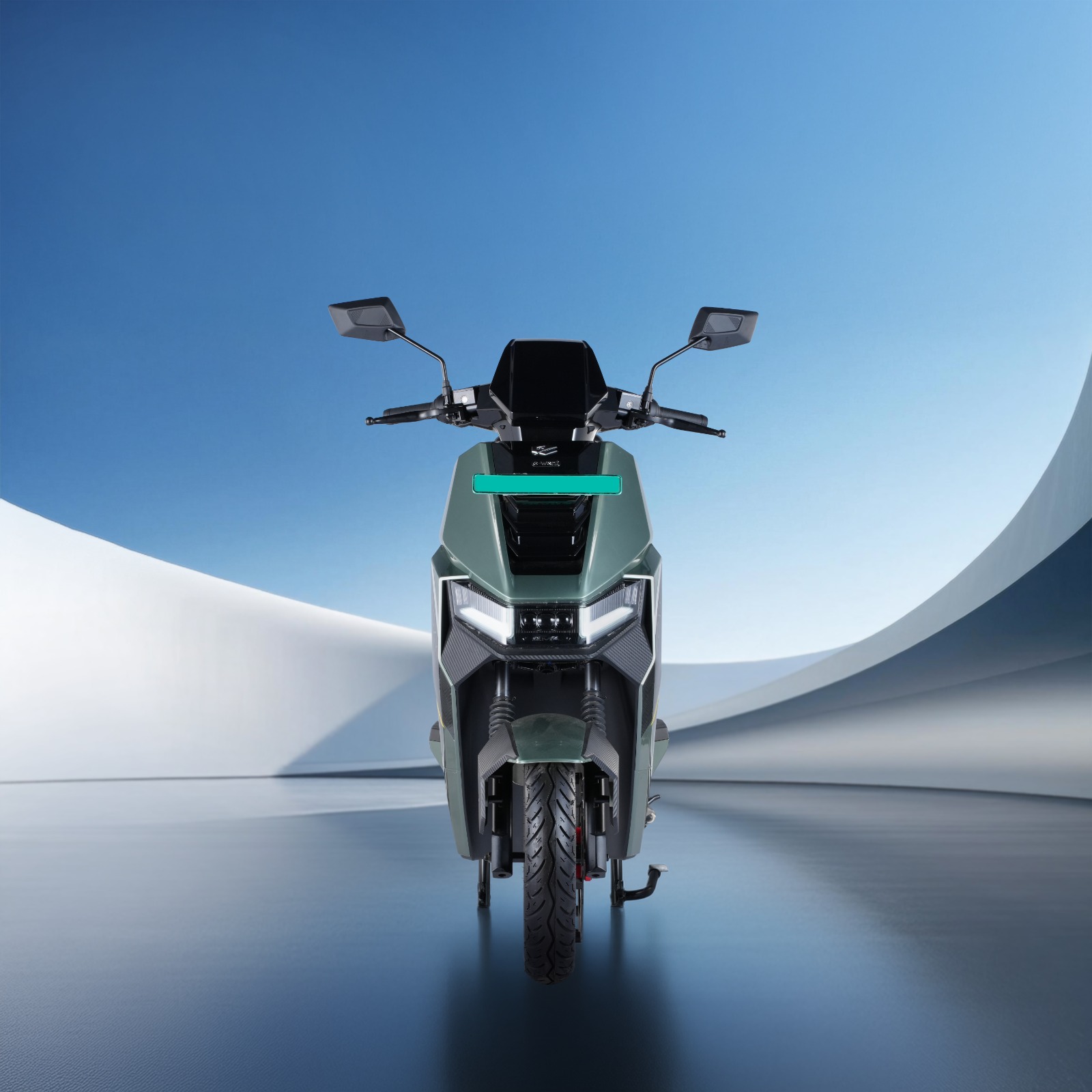
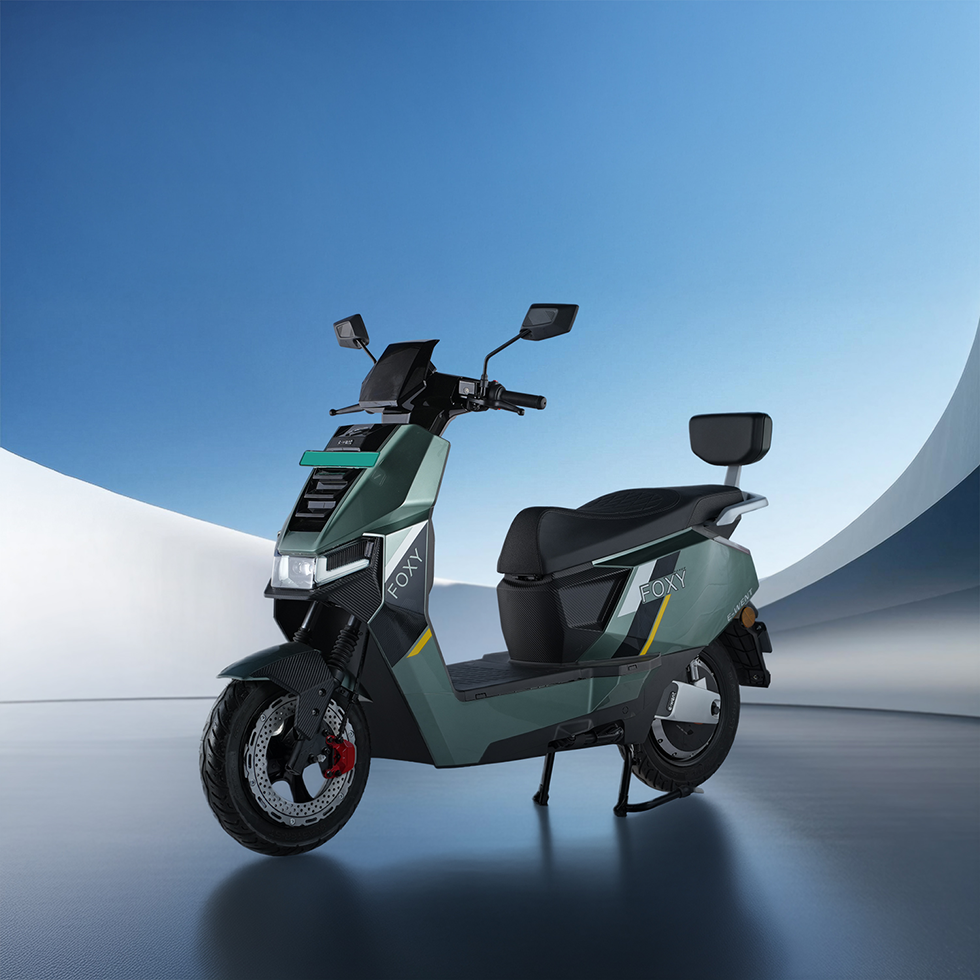
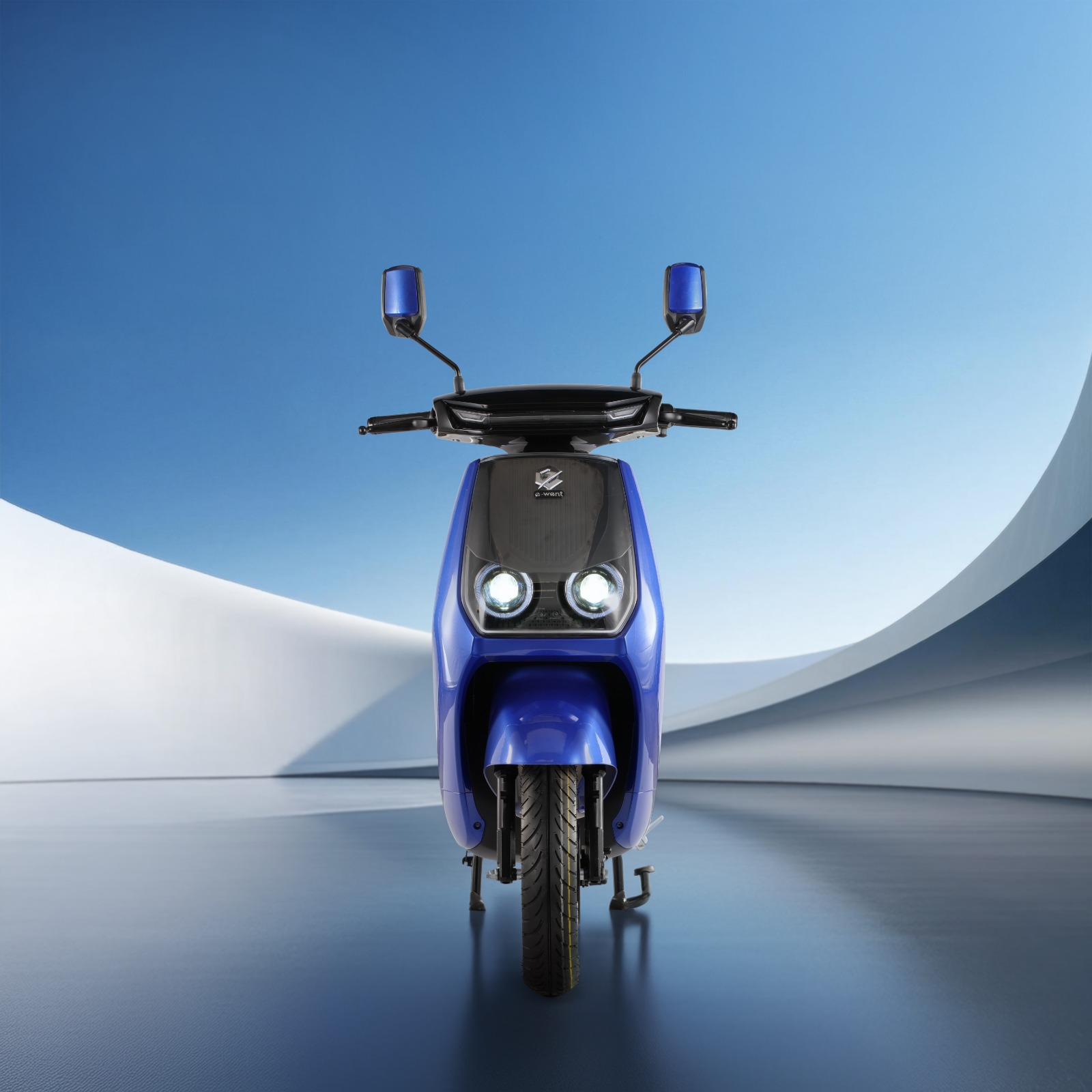
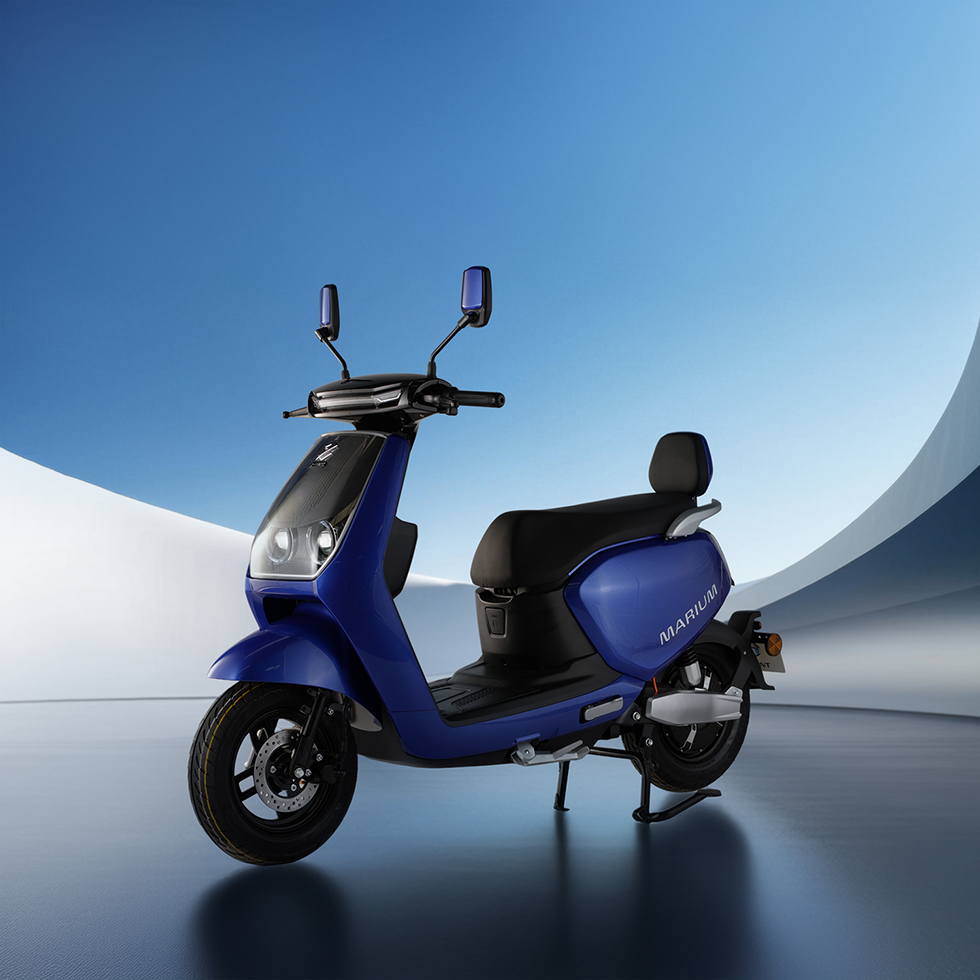
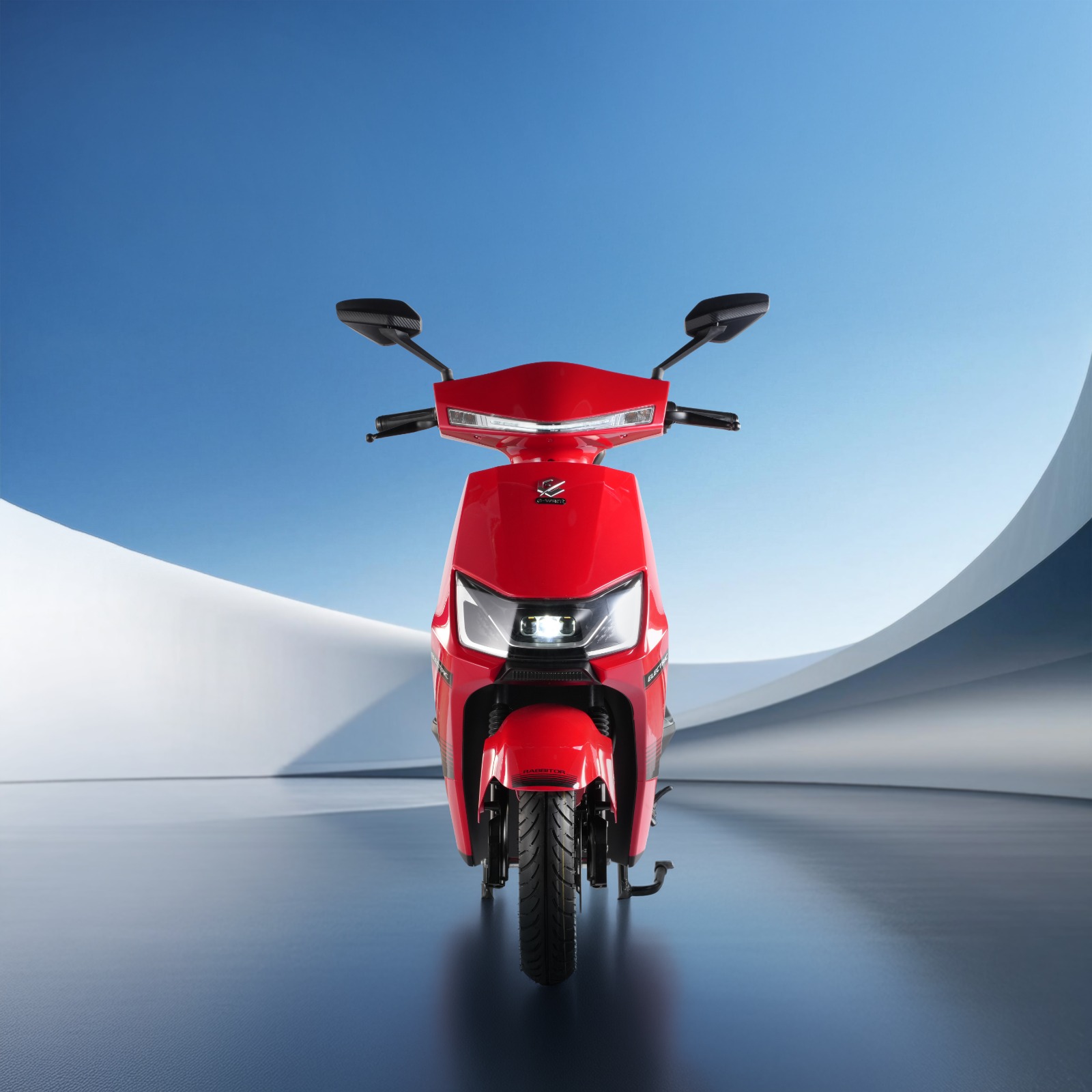
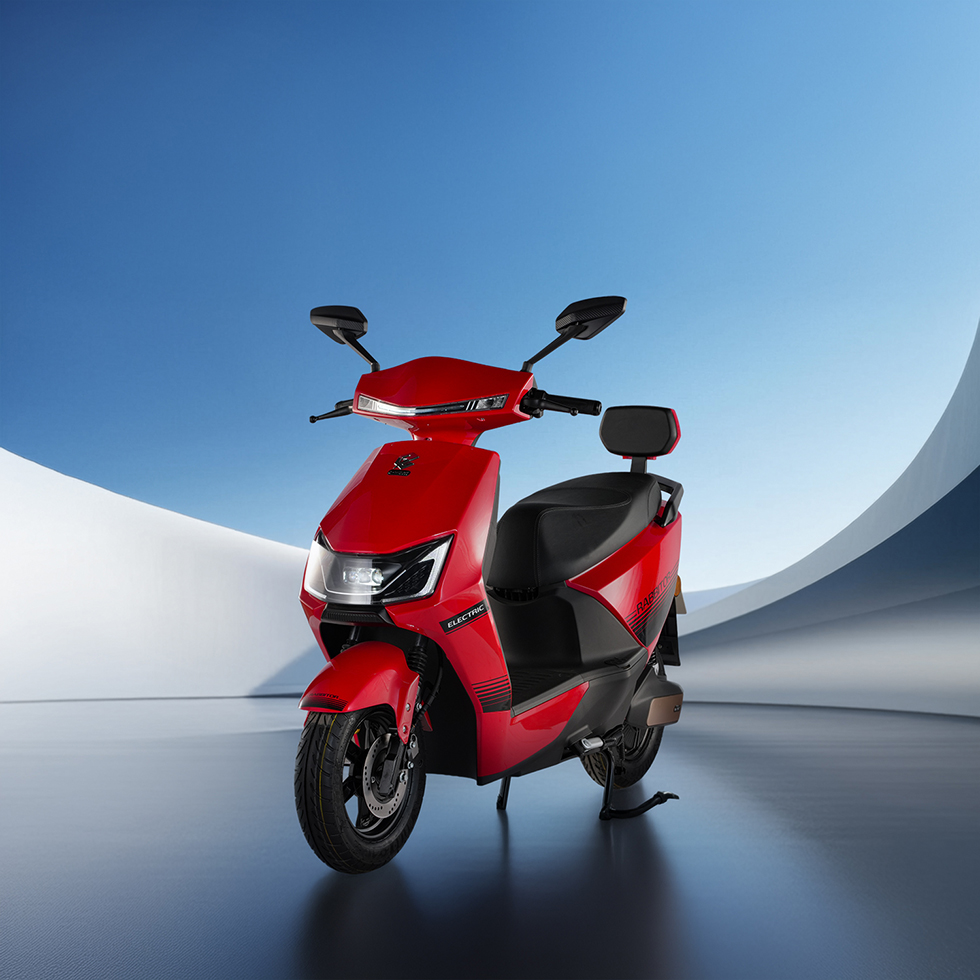
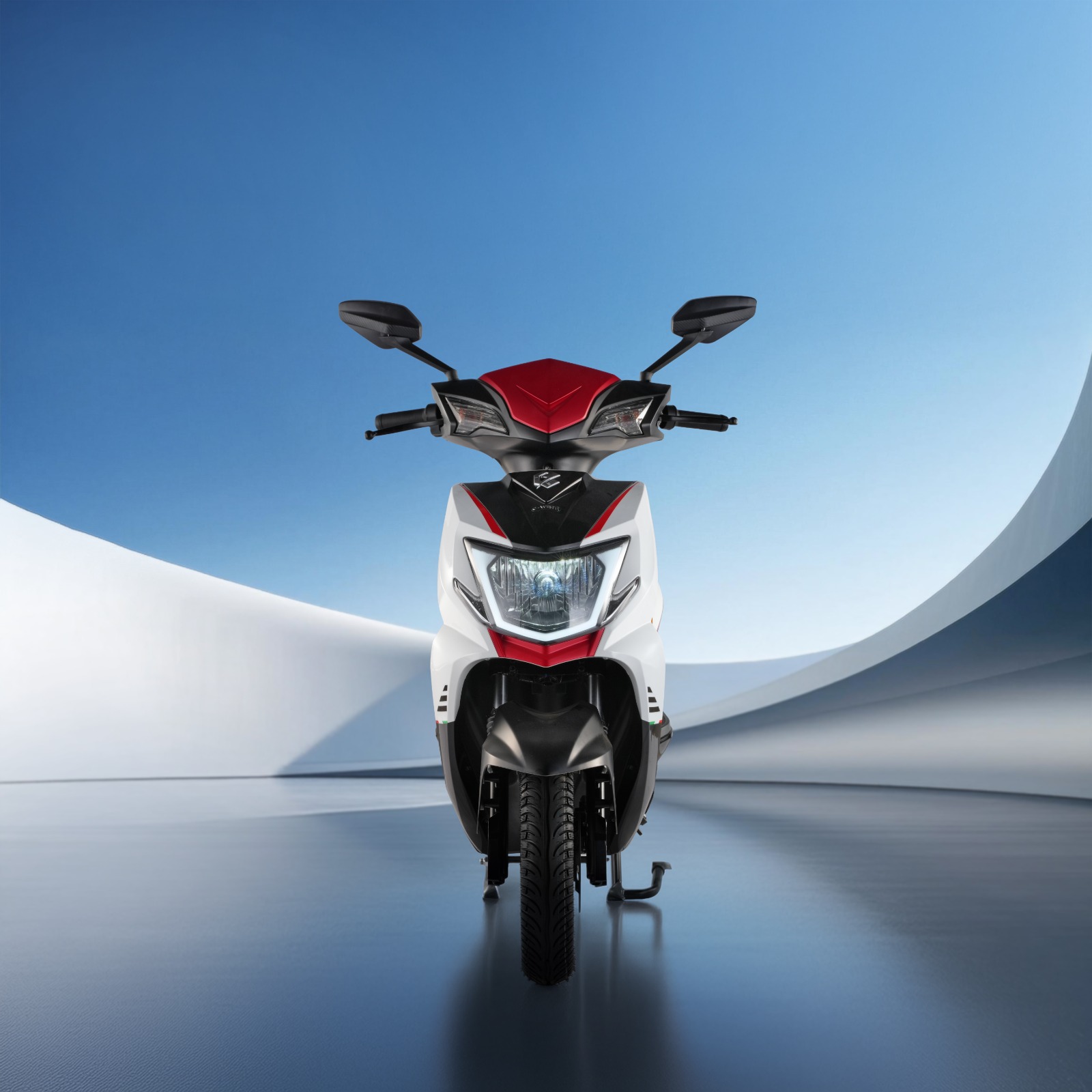
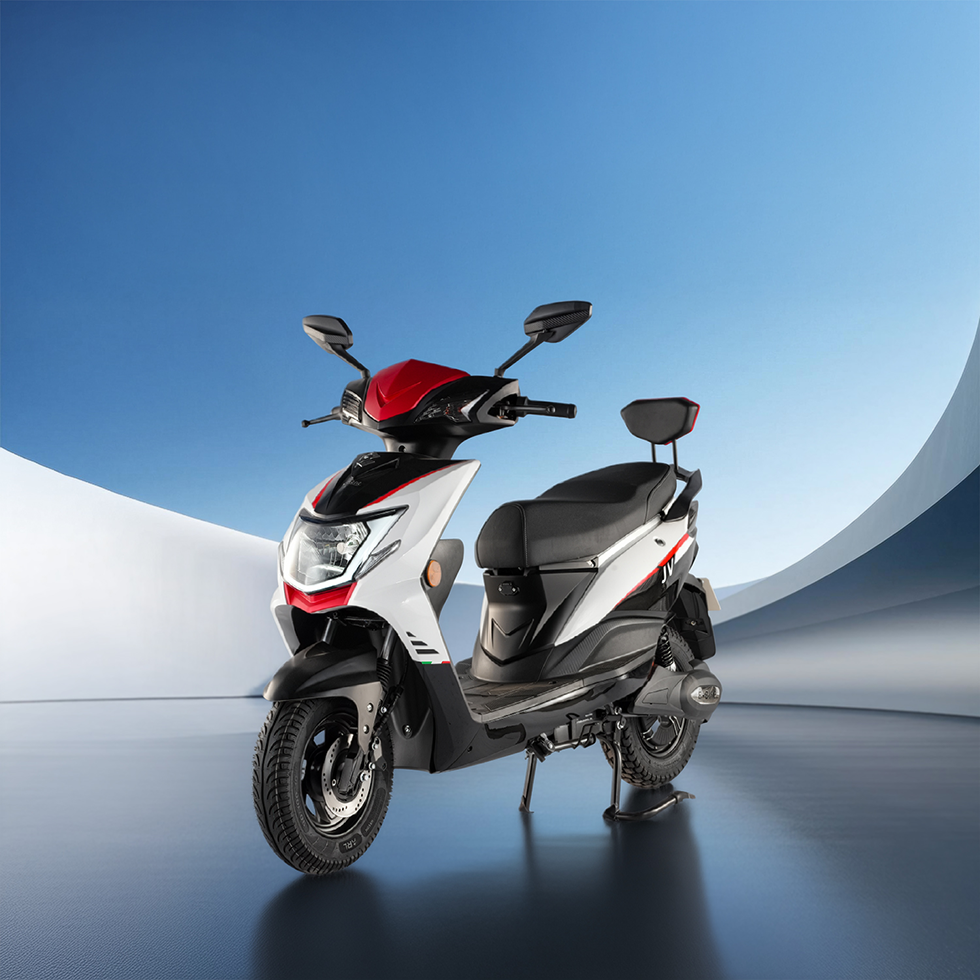
Explore the E-Went range of electric scooters built for different lifestyles and riding needs. Whether you're navigating busy city streets or looking for a scooter that reflects your style, our EV portfolio delivers performance, intelligent technology, and reliable comfort for every journey.
Quick Actions



DEALER NETWORK

WARRANTY CLAIMS
TRAVELLED

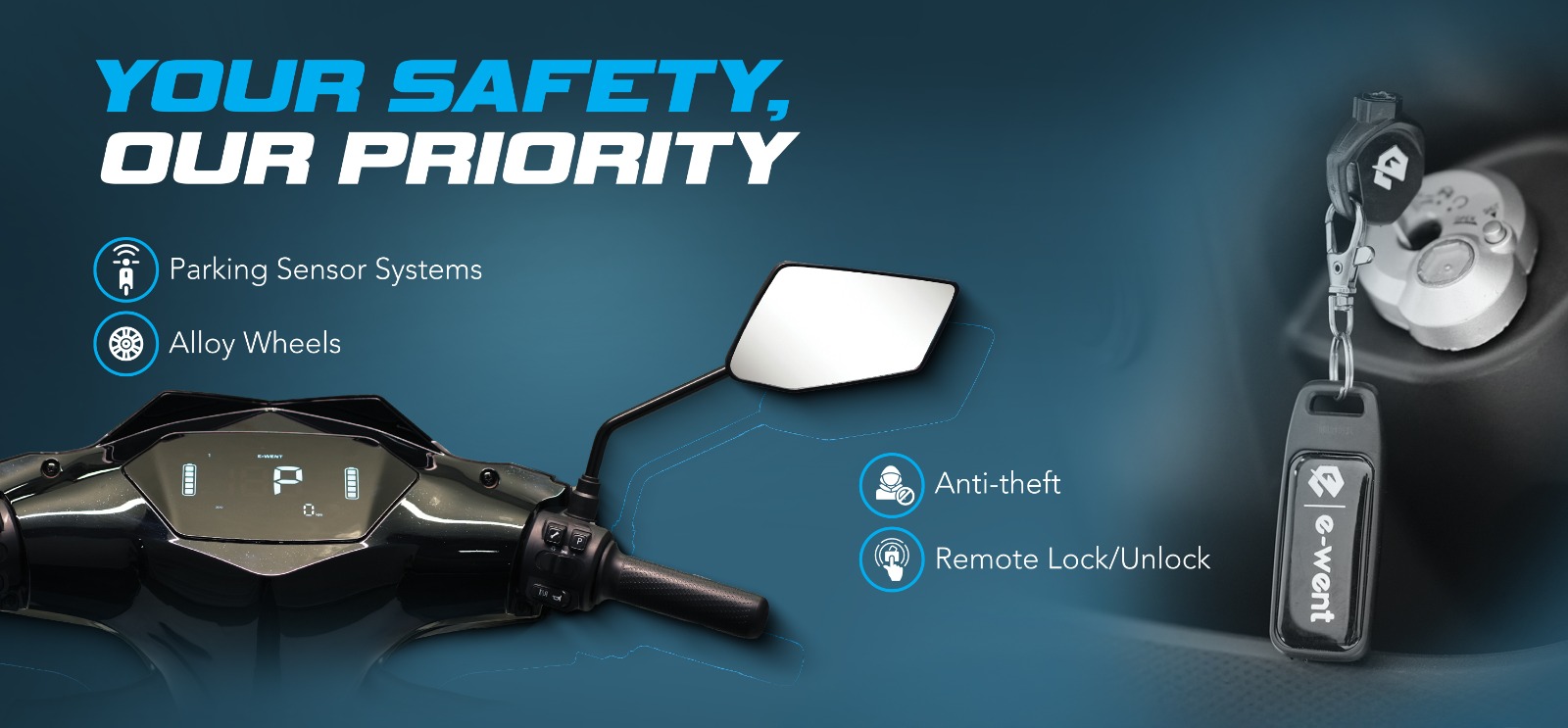
Remote Lock/Unlock
for keyless Start


How far does ₹100 take you?
Tell us how far you ride every day. We'll calculate your monthly and annual savings compared to petrol scooters.
Petrol Scooter
E-want EV
Monthly Savings
Annual Savings: ₹ 0






Why E-Went Is Becoming India’s Trusted Choice for Smart Electric Mobility
Built by a Trusted Electric Scooter Manufacturer
E-Went builds reliable scooters designed for smooth everyday commuting.A Modern EV Scooter Company for Today’s Riders
Efficient performance, easy charging, and comfortable rides for city life.On a Mission to Be the Best Electric Scooter Company in India
Strong build, practical tech, and rider-focused design for dependable EV mobility.Growing Network & Customer Trust
Expanding dealer network and strong customer support across India.

Client Reviews

With Lightning, night rides feel much safer because of the dual projector LED lights. Performance is strong, pickup is quick, and overall it just feels like a solid scooter.

Foxy definitely turns heads. The seat is wide, riding position is comfortable, and the scooter feels very spacious even on longer city rides.

Marium feels perfect for me. The height is comfortable and easy to handle. Reverse mode helps in tight parking, and features like parking safety mode and anti-theft add a lot of confidence

I honestly didn’t expect this kind of power from Lightning. 70 km/hr feels smooth, and the dual portable lithium batteries really helps with efficiency and I can charge anytime.

I use my Rabbitor for dropping my son to school and daily grocery runs, so it’s become my go-to vehicle. Riding modes help in traffic, and the 30 cm display is very helpful.

JV is strong and reliable. I often carry heavy loads, and the 150 kg loading capacity, solid body, and comfortable foot space make daily work easy.

With Lightning, night rides feel much safer because of the dual projector LED lights. Performance is strong, pickup is quick, and overall it just feels like a solid scooter.
Foxy definitely turns heads. The seat is wide, riding position is comfortable, and the scooter feels very spacious even on longer city rides.
Marium feels perfect for me. The height is comfortable and easy to handle. Reverse mode helps in tight parking, and features like parking safety mode and anti-theft add a lot of confidence
I honestly didn’t expect this kind of power from Lightning. 70 km/hr feels smooth, and the dual portable lithium batteries really helps with efficiency and I can charge anytime.

I use my Rabbitor for dropping my son to school and daily grocery runs, so it’s become my go-to vehicle. Riding modes help in traffic, and the 30 cm display is very helpful.
JV is strong and reliable. I often carry heavy loads, and the 150 kg loading capacity, solid body, and comfortable foot space make daily work easy.
1M+
From 173 countries1M+
Generated imagesFrequently
ask questionsw
Typically, how long does it take to charge an electric scooter is about 4 hours for the E-went Lightning to go from 0–80%. Charging duration may differ depending on the specific variant you choose.
Yes, does an electric scooter need a license, registration and helmet is a common question, and the rule is clear: a valid driving license, proper registration, and wearing a helmet are mandatory to ride an electric scooter in India.
Electric Scooter Riding Modes are designed to optimize speed and efficiency. In Eco Mode, the scooter offers a top speed of 42 km/h, making it ideal for conserving battery and extending range during daily commutes.
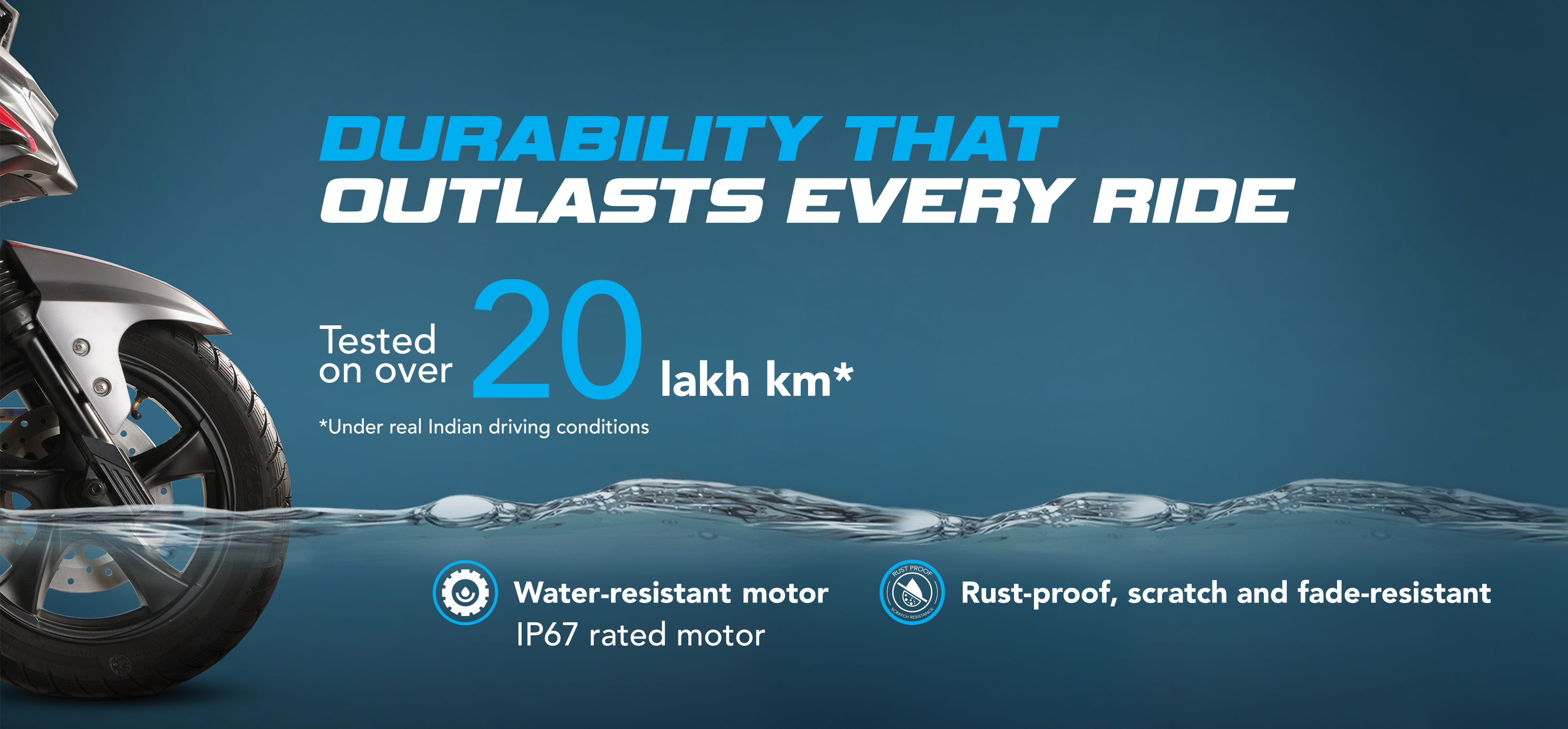
Yes—you can ride your E-went when it’s drizzling or downpouring. Our scooters are IP67-rated, meaning key components (motor, battery pack, wiring) are sealed against splashes and puddle-deep water.